From Investment to Headache: 5 Critical Property Management Mistakes Investors Make (And How to Avoid Them)
Property investing is about far more than bricks and mortar. Done well, it’s a powerful tool for building sustainable, long-term wealth. But even the best purchase can quickly unravel if what happens after settlement is poorly managed.
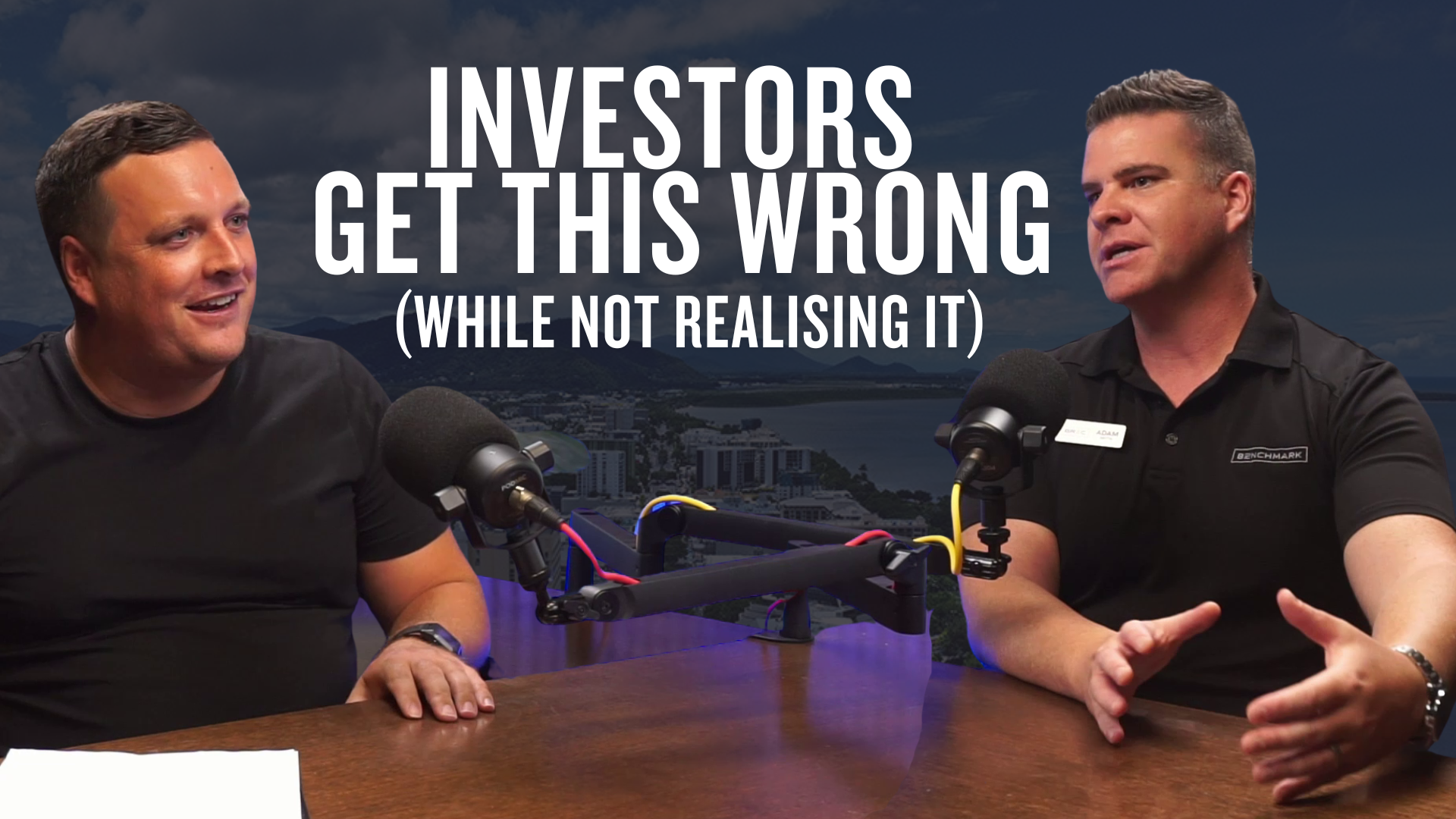
In a recent episode of The Investment By Design Podcast, host Shaun Craike sat down with Adam Saitta, Director of Benchmark Real Estate Cairns. With more than 20 years of front-line property management experience, Adam shared the most common and costly mistakes he sees investors make, and how these missteps can quietly erode returns while increasing stress.
1. When the Owner Becomes the Biggest Risk
It’s an uncomfortable truth, but one Adam sees regularly: the property owner is often the biggest risk to a successful tenancy.
This usually shows up in two ways:
Deferred maintenance: Treating tenants as though they are simply “servicing the mortgage” and delaying necessary repairs breeds resentment. Over time, this erodes respect for the property and can even lead tenants to withhold rent, believing they aren’t receiving fair value.
DIY disasters: Attempting unqualified repairs to save money often creates far bigger problems. Adam shared a striking example where a landlord responded to reports of rotting decking by nailing duct tape over the hole. The safety issue remained, liability skyrocketed, and a good tenant was almost certainly lost.
The takeaway: Treat your investment like a business. Your tenant is your customer, and the property is your product. A safe, well-maintained home is the foundation of stable income and long-term performance.
2. You Don’t Find Good Tenants—You Create Them
Quality tenants aren’t found by luck; they’re attracted by the quality of the property itself.
As Adam and Shaun discussed, “like attracts like” holds true in real estate. A clean, well-presented, fairly priced home signals care and professionalism. These properties consistently attract tenants who treat the home with respect and intend to stay longer.
By contrast, scuffed walls, neglected gardens, and visible wear and tear send a very different message, one that invites lower standards and higher turnover.
The takeaway: Spending money on presentation and proactive maintenance isn’t an expense. It’s an investment. Fresh paint, professional cleaning, and timely repairs reduce vacancy, minimise damage, and improve cash-flow consistency.
3. The Hidden Cost of Chasing Extra Rent
In a tight rental market, it’s tempting to push rent to the absolute limit. But Adam highlights a mistake many investors underestimate: pricing just $10–$20 above market can lead to unnecessary vacancy.
“Rent is the ultimate perishable good,” Shaun notes. “Once a week it is lost, you never get it back.”
On a $700-per-week property, a single week of vacancy wipes out the benefit of a $10-per-week increase for more than a year. What looks like a small win on paper can quickly become a drag on annual returns.
The takeaway: Smart investors price for speed and stability, not ego. Securing a quality tenant quickly, at fair market rent, often delivers better net results than gambling on a higher figure and risking vacancy.
4. Why Cheaper Properties Often Cost You More
High gross yields on lower-priced properties can be seductive, but Adam warns these assets often come with hidden complexity and cost.
Stacked capital expenses: Older, entry-level properties frequently have kitchens, bathrooms, hot water systems, and roofs all nearing end-of-life at the same time. This creates unpredictable, lumpy capital expenditure.
The downward cycle: These properties often attract cost-sensitive owners who resist maintenance spending. Over time, neglected homes attract higher-risk tenants, increasing arrears, damage, and management effort, a classic “false economy.”
The takeaway: Always assess net yield, not just headline returns. Higher-quality assets in better locations typically require less intervention, attract stronger tenants, and deliver a smoother, more profitable long-term experience.
5. Ignoring the Front-Line Intelligence of Property Managers
Sales data tells you what has already happened. Property managers see what’s about to happen.
They notice early warning signs, reliable tenants slipping into arrears, changes in enquiry volume, or shifts in tenant demographics often before these trends appear in broader market data. They also see demand spike around new infrastructure, school zoning changes, or employment growth long before prices move.
The takeaway: Savvy investors treat their property manager as a strategic asset, not just an administrator. Local, experienced managers provide real-time insights into tenant demand, suburb-level shifts, and emerging risks that spreadsheets simply can’t capture.
Final Insight: Lessons from 20 Years in the Industry
When asked what advice he would give his 18-year-old self, Adam’s response was refreshingly blunt: “No one cares.”
His point wasn’t cynical, it was empowering. Most people are far too focused on their own lives to judge yours, so act with intent and confidence. His second lesson was equally practical: be disciplined with money and avoid unnecessary debt traps that delay your ability to invest.
Partnering for Success Beyond Settlement
At The Buyers Co., we believe a successful property investment doesn’t stop at purchase. It requires a holistic strategy that integrates acquisition, finance, and ongoing management.
Our deep local knowledge and trusted professional network, combined with insights from experienced operators like Adam Saitta, help our clients make better decisions, reduce risk, and build resilient portfolios designed for the long term.
Ready to build a smarter property strategy?
Contact our team to discuss how we can support your investment journey across North Queensland.
This article is based on a podcast interview with Adam Saitta of Benchmark Real Estate Cairns and reflects insights drawn from his 20+ years of industry experience.
